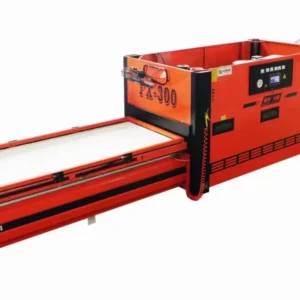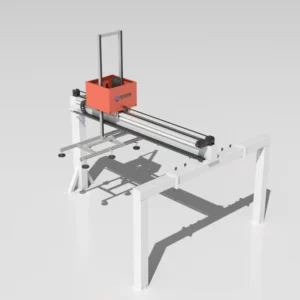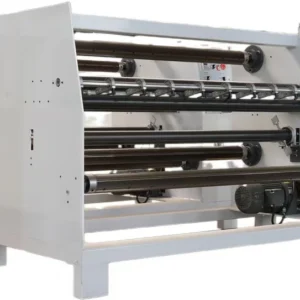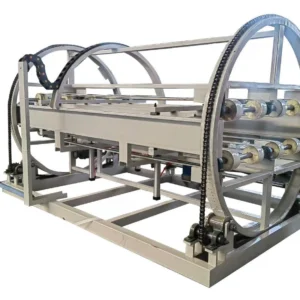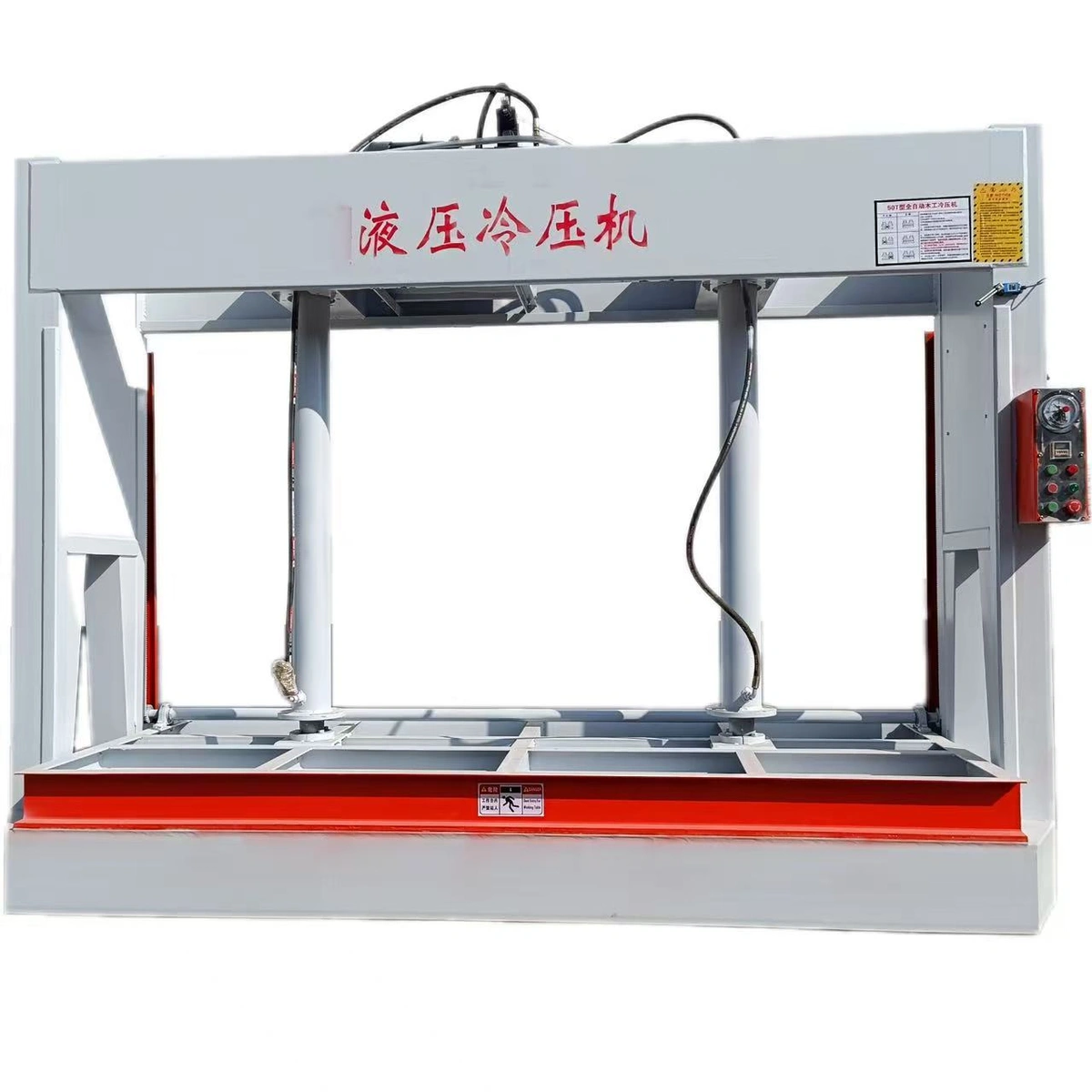
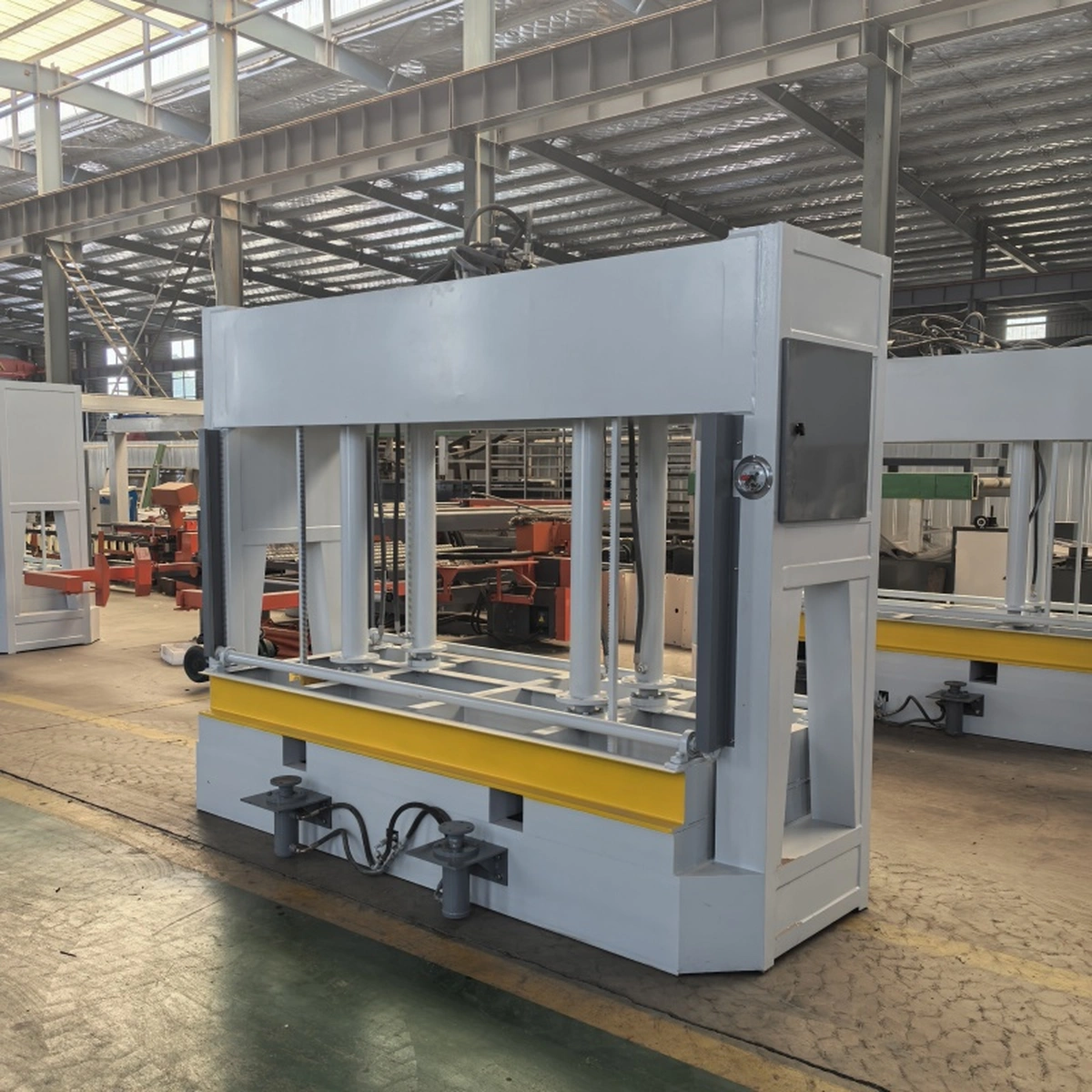
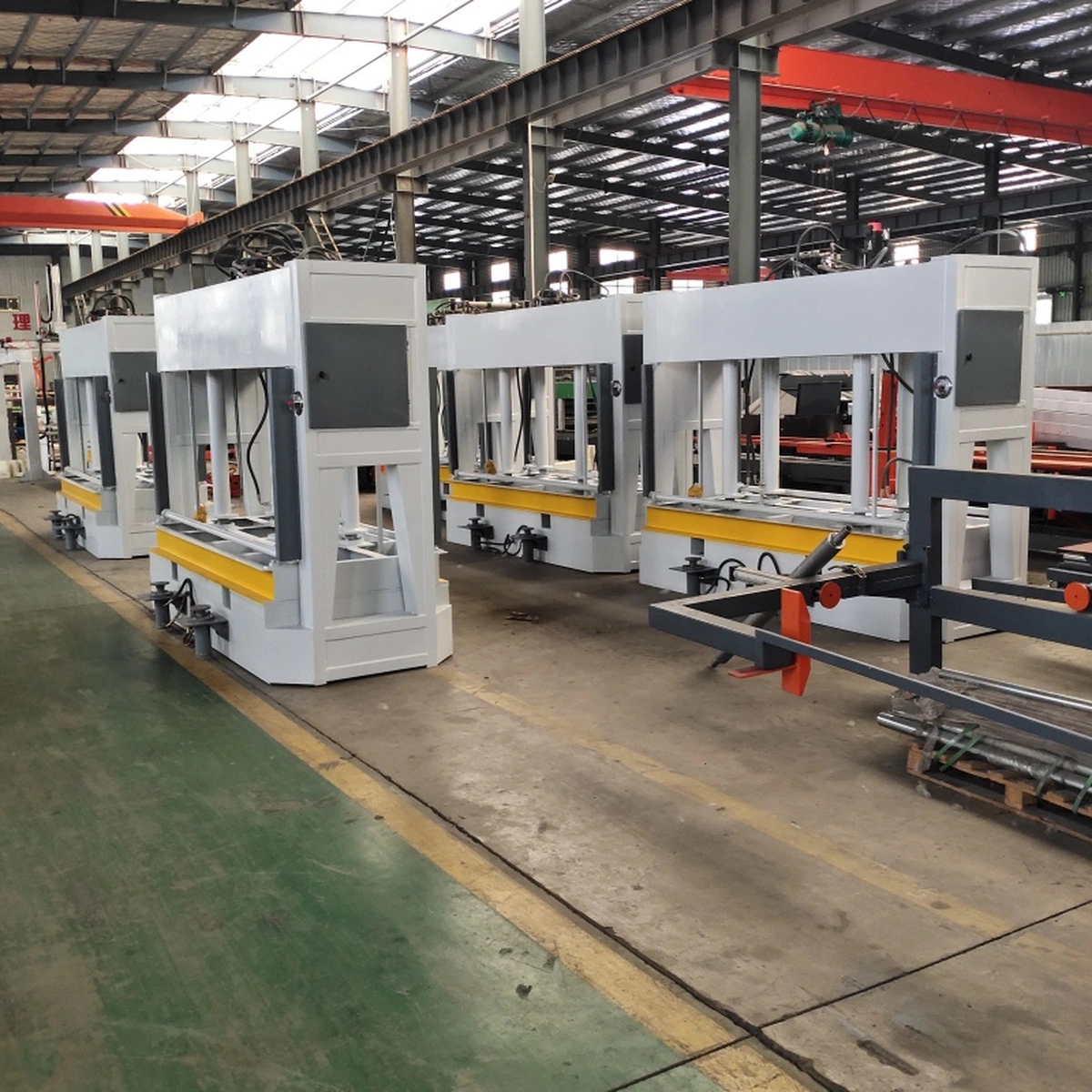
The core advantage of cold presses is that they achieve tight bonding of materials without high temperatures, saving energy and being suitable for heat-sensitive materials. Their key features are controllable pressure and uniform bonding, making them widely used in processes such as panel lamination.
Core Product Advantages
1. Energy Saving and Wide Adaptability: No heating device is required, reducing energy consumption by over 60% compared to hot presses. They can process heat-sensitive materials such as wood, leather, and foam, avoiding deformation and discoloration caused by heating.
2. Precise and Stable Pressure: Uniform pressure (typically adjustable from 0.5-3MPa) is provided through hydraulic or pneumatic systems, ensuring airtight and non-sticky bonding of materials, resulting in a significantly higher finished product yield than manual pressing.
3. Convenient and Safe Operation: Equipped with pressure protection and an emergency stop button to prevent damage to materials or equipment from overpressure; some models support PLC programming, allowing preset pressure and holding time, and one-button start for automatic operation.
Key Product Features
• Versatile Fit: Customizable worktable sizes (from small desktop machines to large machines several meters long), capable of handling single sheets, batches of materials, or the composite needs of continuous production lines.
• High Bonding Quality: Utilizing a combination of a rigid worktable and a flexible pressure head (such as a silicone pad), it can accommodate minute thickness differences in materials, ensuring a tight fit at every point, without indentations or warping.
• Versatile Applications: Not only used for veneer and plywood lamination in the furniture industry, but also for foam and sheet lamination and thin metal sheet lamination in packaging and building materials industries.